
Top 5 DIY Tips for Common Appliance Issues
QS
Introduction
Dealing with appliance issues can be a daunting task, but many common problems have simple solutions that you can tackle yourself. Here are the top five DIY tips to help you troubleshoot and fix common appliance issues without needing to call a professional.
Tip 1: Unclogging a Dishwasher
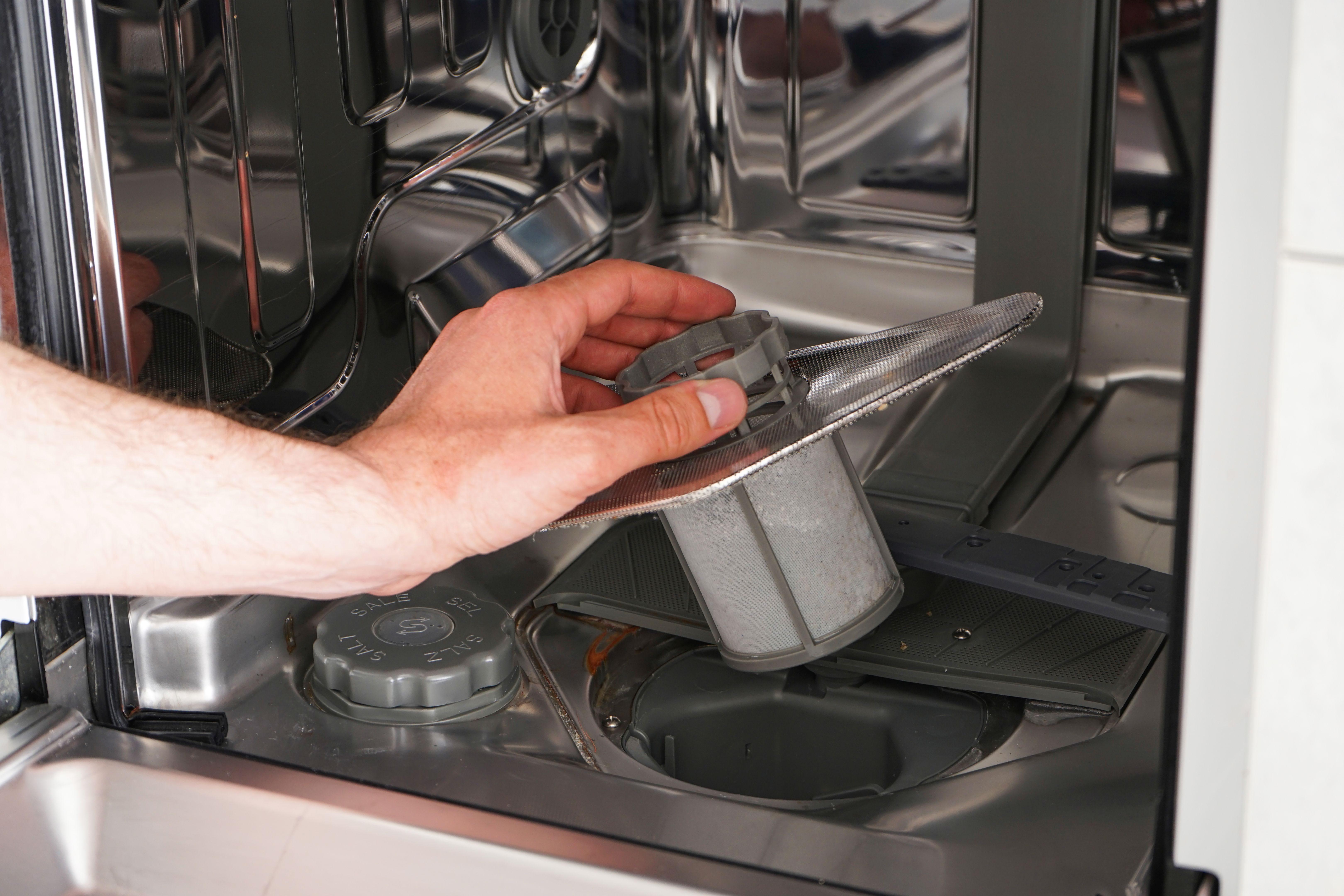
If your dishwasher isn't draining properly, it might be due to a clogged filter or drain. To resolve this, start by removing the bottom rack and checking the filter for any food particles or debris. Cleaning the filter can often restore your dishwasher’s efficiency.
In addition, inspect the drain hose for any kinks or blockages. If necessary, remove the hose and clean it thoroughly. Regular maintenance can prevent clogs from recurring.
Additional Tip
Ensure that you are using the appropriate type and amount of detergent, as using too much can lead to residue buildup and clogs.
Tip 2: Fixing a Leaky Washing Machine
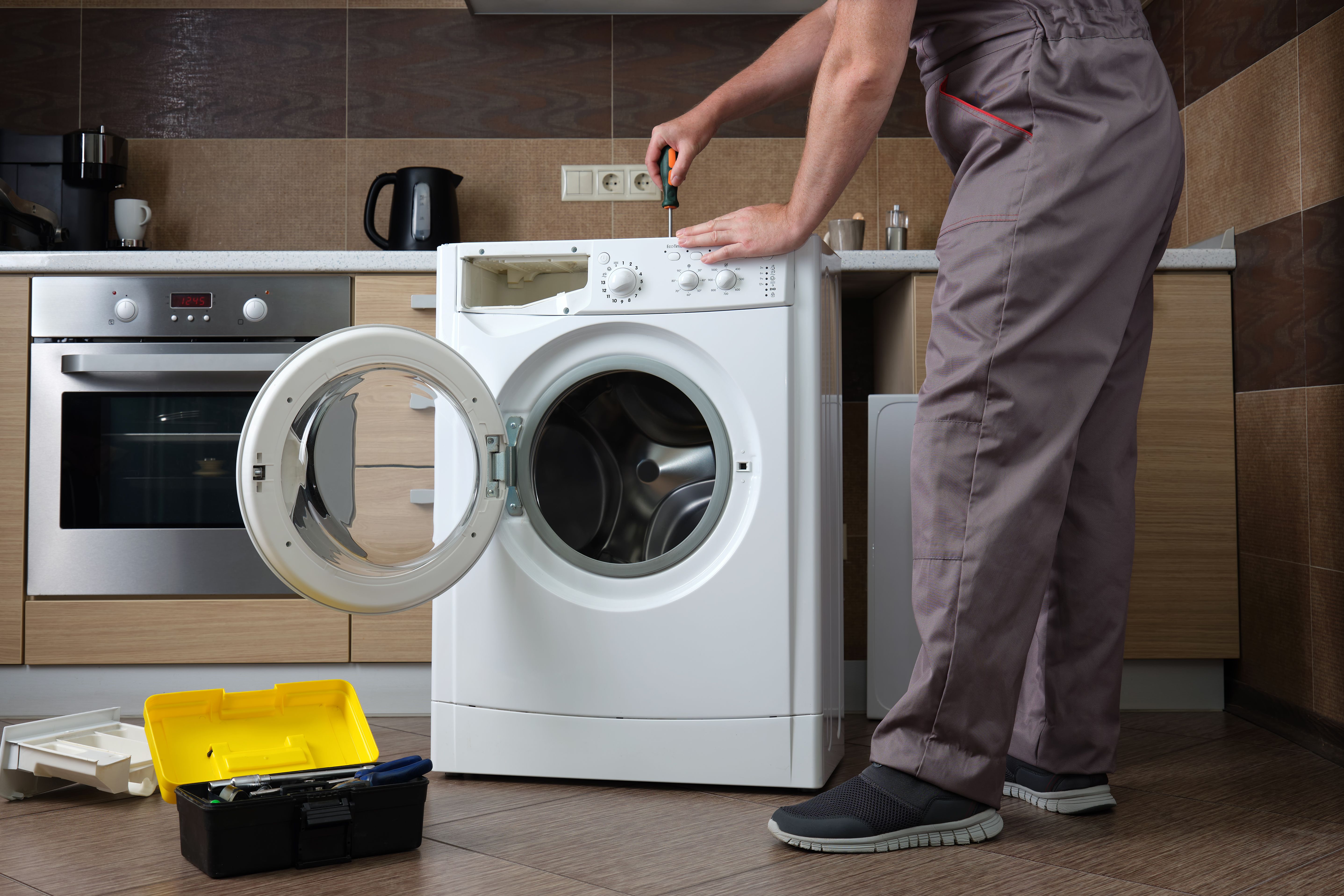
A leaky washing machine can cause water damage and increase your utility bills. To fix this, first check the hoses for any signs of wear or damage. Tightening the connections or replacing damaged hoses can often stop leaks.
Next, inspect the door seal for cracks or debris that might prevent a proper seal. Cleaning or replacing the seal can solve the problem.
Tip 3: Resolving a Noisy Refrigerator
Noisy refrigerators can be annoying and indicate underlying issues. Begin by checking if the refrigerator is level. Adjusting the leveling feet can sometimes reduce noise.
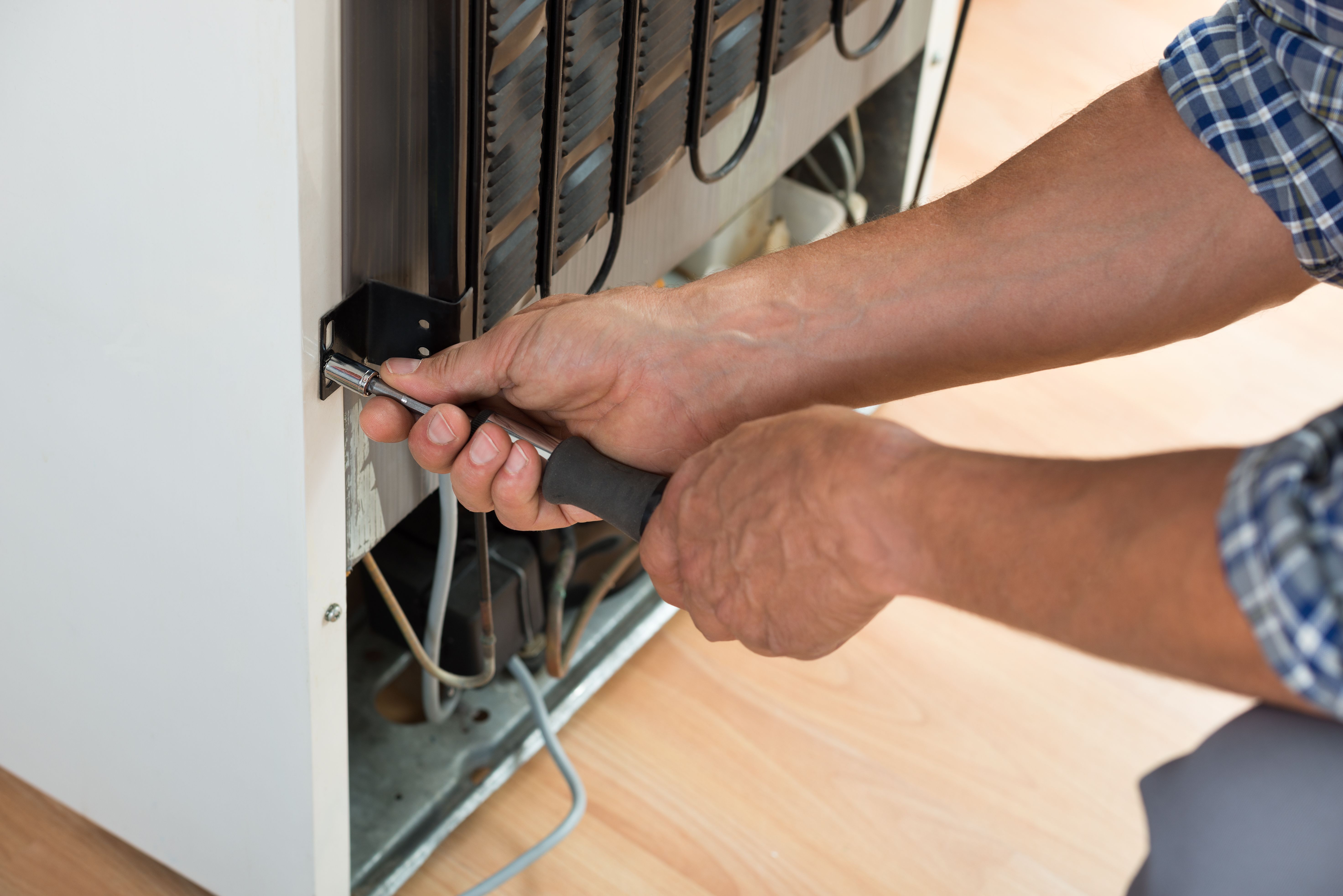
Additionally, clean the condenser coils located at the back or bottom of the fridge. Dust and debris can cause the compressor to work harder, leading to noise. Regular cleaning can improve efficiency and reduce noise.
Tip 4: Restoring a Non-Heating Oven
If your oven isn’t heating properly, it could be due to a faulty heating element. Check the element for visible signs of damage. Replacing a damaged element is often straightforward and can restore your oven’s functionality.
Also, ensure that the oven thermostat is functioning correctly. A simple calibration can often solve heating issues and improve cooking performance.
Safety Precaution
Always disconnect power before working on any electrical components to ensure your safety.
Tip 5: Unblocking a Clogged Garbage Disposal
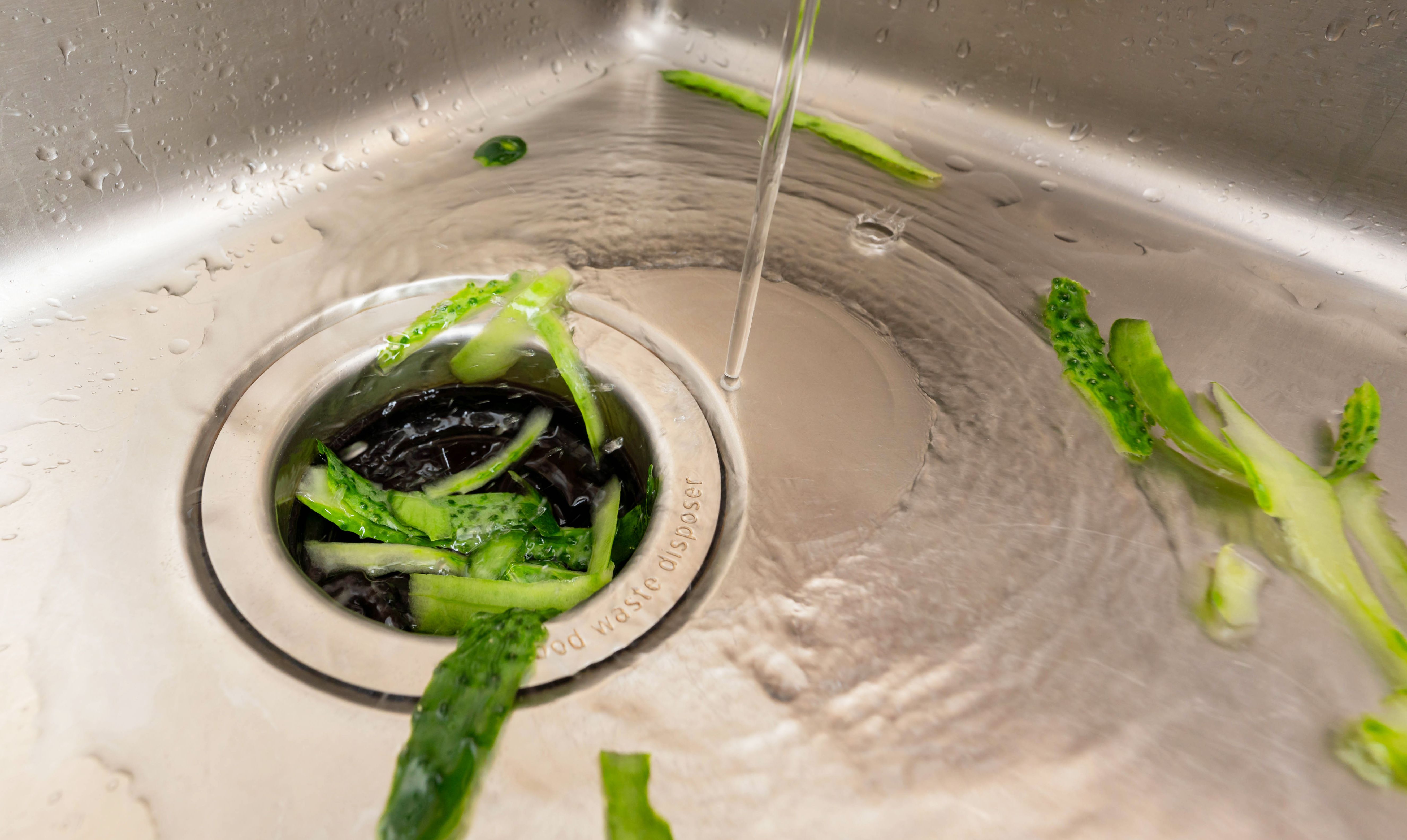
A clogged garbage disposal can disrupt your kitchen routine. Start by turning off the power and using a flashlight to inspect the disposal for any obstructions. Removing visible debris can often clear the clog.
If the disposal is still blocked, use a hex key to manually turn the blades and dislodge the blockage. Regularly running cold water and using the disposal frequently can prevent future clogs.
Conclusion
By following these DIY tips, you can address common appliance issues efficiently and cost-effectively. Regular maintenance and timely repairs can extend the life of your appliances and ensure they operate smoothly. Remember, when in doubt, consult your appliance’s manual or seek professional help to avoid further damage.